

Understanding Lymphoedema
Understanding the Lymphatic System
The lymphatic system is a network of vessels, tissues, and organs that runs throughout your body. It is part of your immune system and plays a key role in keeping you healthy. The lymphatic system has three main functions:
It drains excess fluid from body tissues and returns it to the bloodstream
It helps protect against infection by removing germs, toxins, and damaged cells
It absorbs fats and fat-soluble vitamins from the digestive system and transports them into the bloodstream
Unlike the heart, the lymphatic system does not have a pump. Instead, it relies on movement, muscle activity, breathing, and changes in pressure within the body to keep fluid moving.
What Is Lymphoedema?
Lymphoedema refers to chronic oedema (swelling) that has been present for longer than three months. It usually occurs when the lymphatic system has been damaged, overloaded, or disrupted by a medical condition or injury.
When the lymphatic system cannot manage fluid effectively, fluid begins to build up in the tissues. Over time, this swelling can become persistent and progressively worse if left untreated.
What Causes or Contributes to Lymphoedema?
Lymphoedema occurs when the lymphatic system is placed under strain or doesn’t work as efficiently as it should. Contributing factors may include:
Reduced mobility, where muscle movement is limited and lymph flow is reduced
Surgery or trauma, including orthopaedic surgery, cancer treatment involving lymph node removal or radiation, burns, or scarring
Infection, including cellulitis
Venous disease, or conditions affecting the heart or kidneys
Being overweight or physically inactive
Congenital differences, where someone is born with an impaired lymphatic system
In many cases, lymphoedema develops gradually, particularly after changes in mobility, surgery, or illness.
Signs and Symptoms of Lymphoedema
Symptoms of lymphoedema may include:
Swelling in a limb or body area
A feeling of heaviness, tightness, or fullness
Aching, discomfort, or mild pain
Shiny, smooth, or stretched-looking skin
Reduced flexibility or movement
Difficulty fitting into shoes, rings, or clothing
Skin pitting (pressing the area leaves a temporary dent)
Recurrent infections
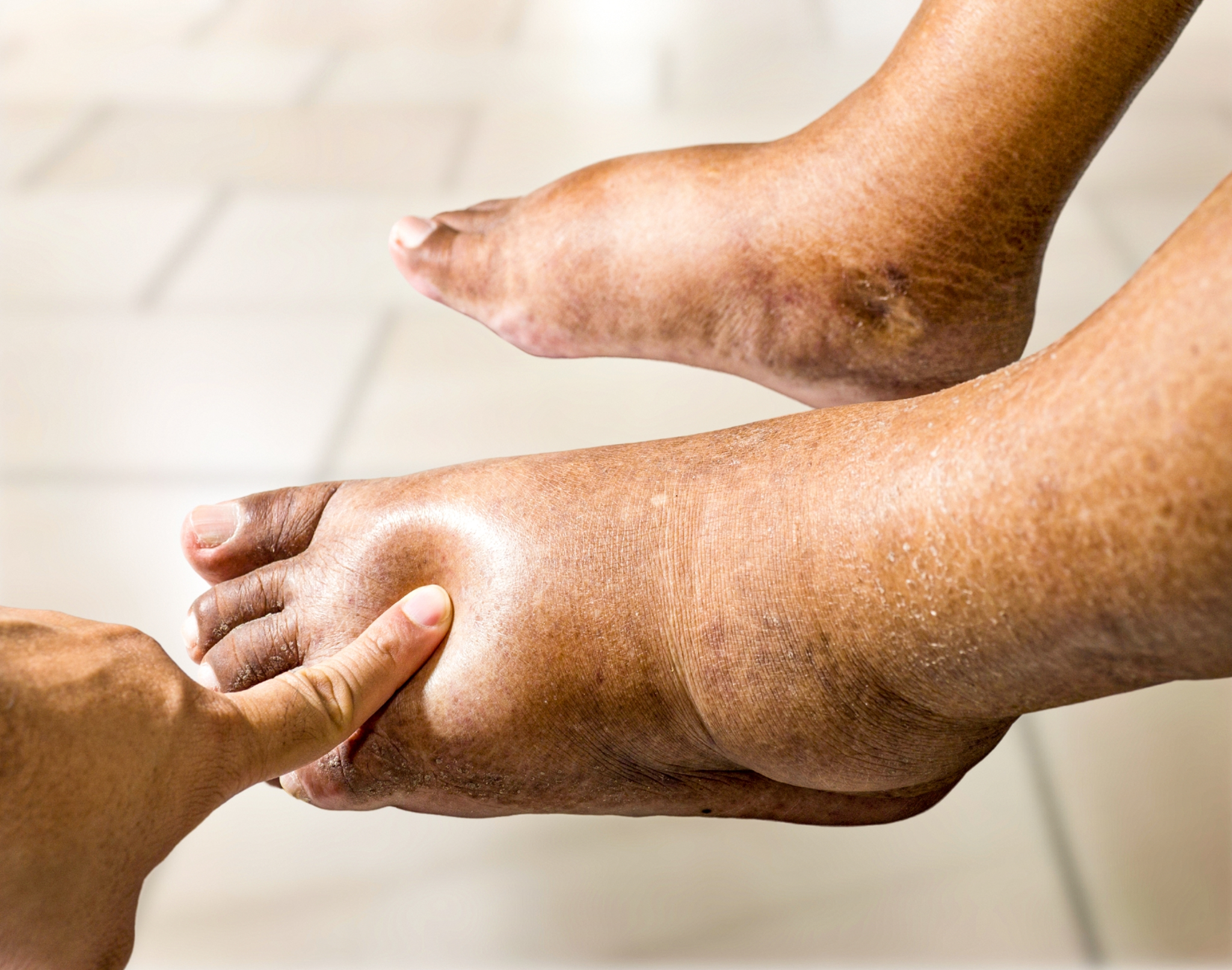
Image 1: credit EliteExposure/Shutterstock.com
How Is Lymphoedema Managed?
While there is no cure for lymphoedema, it can be managed, especially when treatment starts early. Management usually involves a combination of strategies, including:
Compression therapy to help move fluid and prevent re-accumulation
Manual lymphatic drainage, provided by a therapist and often taught for self-management
Skin care to reduce the risk of infection
Exercise and lifestyle strategies to support lymphatic flow
Treatment is always individualised, taking into account a person’s symptoms, mobility, daily routine, and goals.
If you’re concerned about swelling or the effectiveness of your lymphatic system, or know someone who may be experiencing symptoms consistent with lymphoedema, contact our team to arrange an assessment with one of our lymphoedema therapists.
